Meet Dr. Perry G. Wang: Insights from an FDA Chemist and Acclaimed Instructor
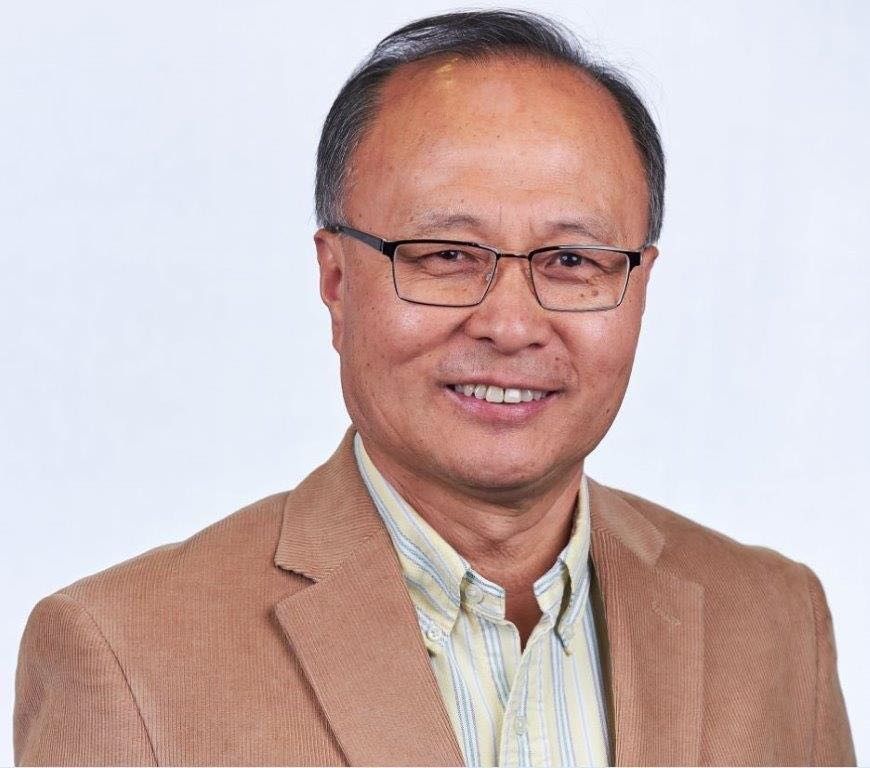
Dr. Perry G. Wang is one of our esteemed instructors with extensive real-world experience in life sciences. Since 2008, he has worked as a chemist for the U.S. Food and Drug Administration (FDA) where he developed an in-depth understanding of how the agency regulates pharmaceuticals.
Now, Dr. Wang teaches courses at CfPIE, specializing in Liquid Chromatography with tandem mass spectrometry (LC-MS/MS) method development for drugs, cosmetics, food, and dietary supplements. It should be noted that Dr. Wang teaches these courses in his own capacity as a scientist, not as a representative of the FDA.
His decades of experience in pharmaceuticals from both the manufacturing and regulatory perspectives have given him deep knowledge and insights into the life sciences industry. Read on to learn more about his background and the courses he teaches.
Perry G. Wang's Professional Background
Dr. Perry G. Wang received his Ph.D. from Oregon State University. Once earned, he worked in the medical device and pharmaceutical manufacturing industry prior to joining the FDA.
Throughout his career, Dr. Wang has published over 30 peer-reviewed scientific papers in addition to editing and co-editing five scientific reference books:
- “High-Throughput Analysis in The Pharmaceutical Industry”
- “Monolithic Chromatography and Its Modern Applications”
- “Hydrophilic Interaction Liquid Chromatography (HILIC) and Advanced Applications”
- “Counterfeit Medicines”
- “High-Throughput Analysis for Food Safety”
His extensive experience publishing scientific papers and reference books has helped him deepen his knowledge and clearly demonstrates his expertise in the subject matter.
We’re proud to have Dr. Wang as one of our many knowledgeable course instructors. CfPIE only hires experienced professionals to teach our courses, and Dr. Wang is a great example of this ongoing dedication.
Courses Taught by Dr. Perry G. Wang
Dr. Wang currently teaches two courses with focuses on LC-MS/MS method development and validation. Each course imparts the foundational knowledge and skills necessary to enhance your career.
Let’s discuss more about these courses and how they draw from Dr. Wang’s expertise.
LC-MS/MS: Bioanalytical Method Validation
This compact 10-hour course focuses on practical training for scientists already working in the pharmaceutical industry. Pharmacology studies, biopharmaceutics, and clinical pharmacology studies all depend on validating bioanalytical methods — requiring both hands-on experience and background knowledge.
This course focuses on bioanalytical method validation specifically using LC-MS/MS. Participants will go through a step-by-step exploration of the concepts and techniques used for this type of validation.
Instruction focuses on the essential concepts from the guidance for Bioanalytical Method Validation issued by the FDA. The course has a strong emphasis on strengthening problem-solving skills while presenting real-world examples and case studies.
The course is further enhanced by Dr. Wang’s decades of experience in the field and provides his hard-earned insights and knowledge. Upon completion, attendees will understand how to independently validate bioanalytical methods and also how to apply them.
LC-MS/MS: Practical Method Development for the Pharmaceutical Industry
Dr. Wang’s practical 10-hour course focuses on actionable training for scientists in the field. Attendees are taken through concepts and techniques to develop LC-MS/MS methods. This course also provides an updated overview and the latest working knowledge of LC-MS/MS.
Attendees will enhance problem-solving skills through practical issues concerning LC-MS/MS methods, while learning from examples and common challenges in the pharmaceutical field. Additionally, regulation and validation concepts related to GLP and GMP will be covered, as this course is specifically focussed on the pharmaceutical industry.
Dr. Wang’s course will teach trainees useful theoretical concepts including instrumental fundamentals and operating principles, column basics and selection guides. Focus will also be placed on understanding the master resolution equation and its application.
Once they’ve completed the course, trainees can independently develop their own LC-MS/MS methods and improve the throughput by taking advantage of LC and MS. This course covers theoretical topics but with a focus on how trainees can apply them to their real-world, daily tasks.
Upcoming Courses and Enrollment Information
Schedule of Upcoming Courses
Are you interested in learning from Dr. Wang? Here are his upcoming courses, dates for the remainder of 2024:
- LC-MS/MS: Bioanalytical Method Validation: 10-hour Live Stream on October 21 - 22, 2024, from 12:00pm to 5:00pm ET (9:00 to 2:00 PT).
- LC-MS/MS: Practical Method Development for the Pharmaceutical Industry: 10-hour Live Stream on October 15 - 16, 2024, from 12:00pm to 5:00pm ET (9:00 to 2:00 PT).
These courses can also be customized and brought to your team of 10 or more either in-person at your facility or via a private live stream event. Click “Request On-Site Details” to learn more.
How to Enroll
Enrolling in Dr. Wang’s courses can be done on the course pages above. If you’re enrolling for live stream access, this can be done directly on the site, just like any other ecommerce transaction. CfPIE accepts payment via credit card, check, or purchase order.
For on-site course requests, we ask that you complete the form so we can estimate required customization costs. If you need any more general information,you can contact us, and we’ll be happy to answer any questions or concerns.
Learn with CfPIE and Dr. Perry G. Wang. Advance Your Life Sciences Career Today
Dr. Perry G. Wang brings decades of experience in manufacturing and regulation in life sciences and his time as a chemist at the FDA. You can take advantage of his unique insights by attending one of his courses.
Ready to get started?Check for the latest scheduling, decide if the prescheduled live stream or customized on-site option is better for you, and prepare to take your career to the next level!
Blog Categories
Stay Informed